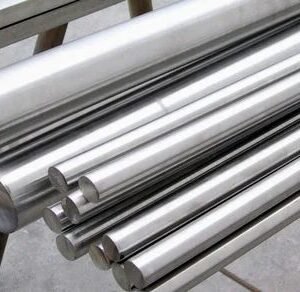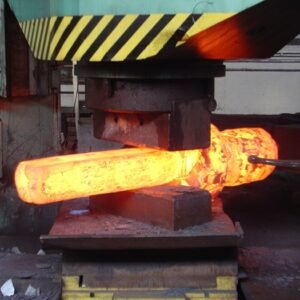

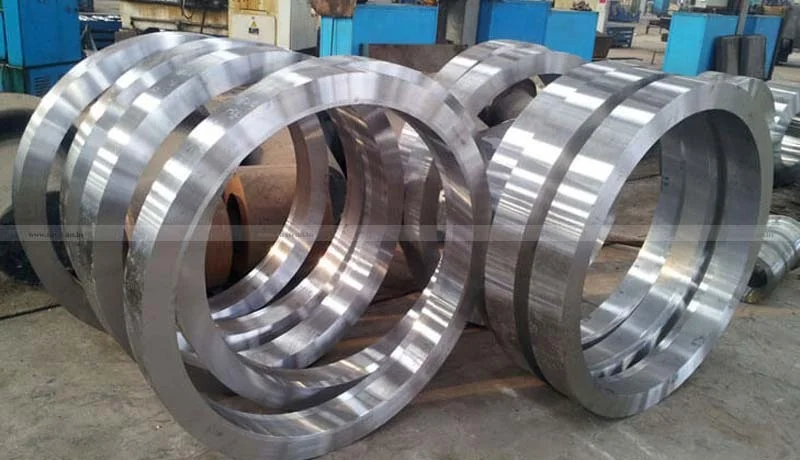
Description
Alloy Steel Forgings: An In-Depth Overview
Introduction to Alloy Steel Forgings
Alloy steel forgings are critical components in various industrial applications due to their enhanced mechanical properties and performance characteristics compared to standard carbon steels. By adding alloying elements such as chromium, nickel, molybdenum, and vanadium, alloy steels achieve specific properties, making them suitable for high-stress and high-temperature applications. The forging process further refines these materials, ensuring superior strength, toughness, and fatigue resistance.
Chemical Composition of Alloy Steel Forgings
The chemical composition of alloy steel forgings varies based on the specific grade and intended application. However, most alloy steels are categorized by their alloying elements and carbon content. Below is a general representation of the chemical composition of typical alloy steel forgings:
| Element | Percentage (%) |
|---|---|
| Carbon (C) | 0.05 – 0.60 |
| Manganese (Mn) | 0.3 – 1.5 |
| Chromium (Cr) | 0.5 – 5.0 |
| Nickel (Ni) | 0.5 – 5.0 |
| Molybdenum (Mo) | 0.15 – 1.0 |
| Vanadium (V) | 0.05 – 0.25 |
| Silicon (Si) | 0.1 – 0.5 |
| Iron (Fe) | Balance |
Key Properties of Alloy Steel Forgings
- High Strength: Alloy steel forgings offer exceptional tensile and yield strength, making them ideal for applications requiring high load-bearing capabilities.
- Improved Toughness: The addition of alloying elements enhances the toughness of the material, allowing it to withstand impacts and sudden loads without fracturing.
- Enhanced Wear Resistance: Alloy steels are often designed to resist wear and abrasion, making them suitable for components that experience friction and contact with other materials.
- Corrosion Resistance: Some alloying elements, like chromium and nickel, enhance the corrosion resistance of the steel, enabling its use in harsh environments.
- Fatigue Resistance: Alloy steel forgings exhibit excellent fatigue resistance, making them suitable for cyclic loading applications where materials are subjected to repeated stress.
Applications of Alloy Steel Forgings
Alloy steel forgings are used in various industries due to their outstanding mechanical properties. Some common applications include:
- Aerospace Industry: Used for components such as turbine parts, landing gear, and structural components that require high strength and low weight.
- Oil and Gas Sector: Employed in drilling equipment, valves, and connectors that need to endure high pressure and corrosive environments.
- Automotive Industry: Commonly found in critical automotive parts, such as crankshafts, gears, and suspension components.
- Construction and Infrastructure: Used in structural components like beams, columns, and reinforcing bars where high strength and durability are essential.
- Heavy Machinery: Utilized in the manufacturing of parts for heavy equipment, including excavators, bulldozers, and cranes.
- Mining Industry: Alloy steel forgings are used in tools and machinery designed for digging, transporting, and processing minerals.
Grades of Alloy Steel Forgings
Alloy steel forgings are categorized into various grades based on their alloying elements, mechanical properties, and specific applications. Below is a table outlining some common grades of alloy steel forgings, along with their characteristics and applications:
| Grade | Carbon Content (%) | Alloying Elements | Properties | Applications |
|---|---|---|---|---|
| 4140 | 0.40 | Cr, Mo | High strength, good toughness, and wear resistance | Aerospace, automotive, machinery |
| 4340 | 0.40 | Cr, Ni, Mo | High toughness, fatigue resistance | Aerospace, military, high-stress applications |
| 8620 | 0.20 | Ni, Cr, Mo | Good hardenability and machinability | Gears, axles, and shafts |
| 4130 | 0.30 | Cr, Mo | Good weldability and strength | Aircraft frames, automotive components |
| 9310 | 0.10 | Ni, Cr, Mo | Excellent fatigue strength and toughness | Gears, transmission components |
| 52100 | 1.00 | Cr | High hardness and wear resistance | Ball bearings, rollers |
| 6150 | 0.50 | Cr, Mo | Good ductility and toughness | Heavy machinery, automotive components |